-
Products
Flexi Range
Flexible Linear LED Light Engines
Flexi Neon
Flexible and Diffused Linear Lighting
Linear In-Ground
Flexible and Rigid Linear In-Ground Lighting Systems
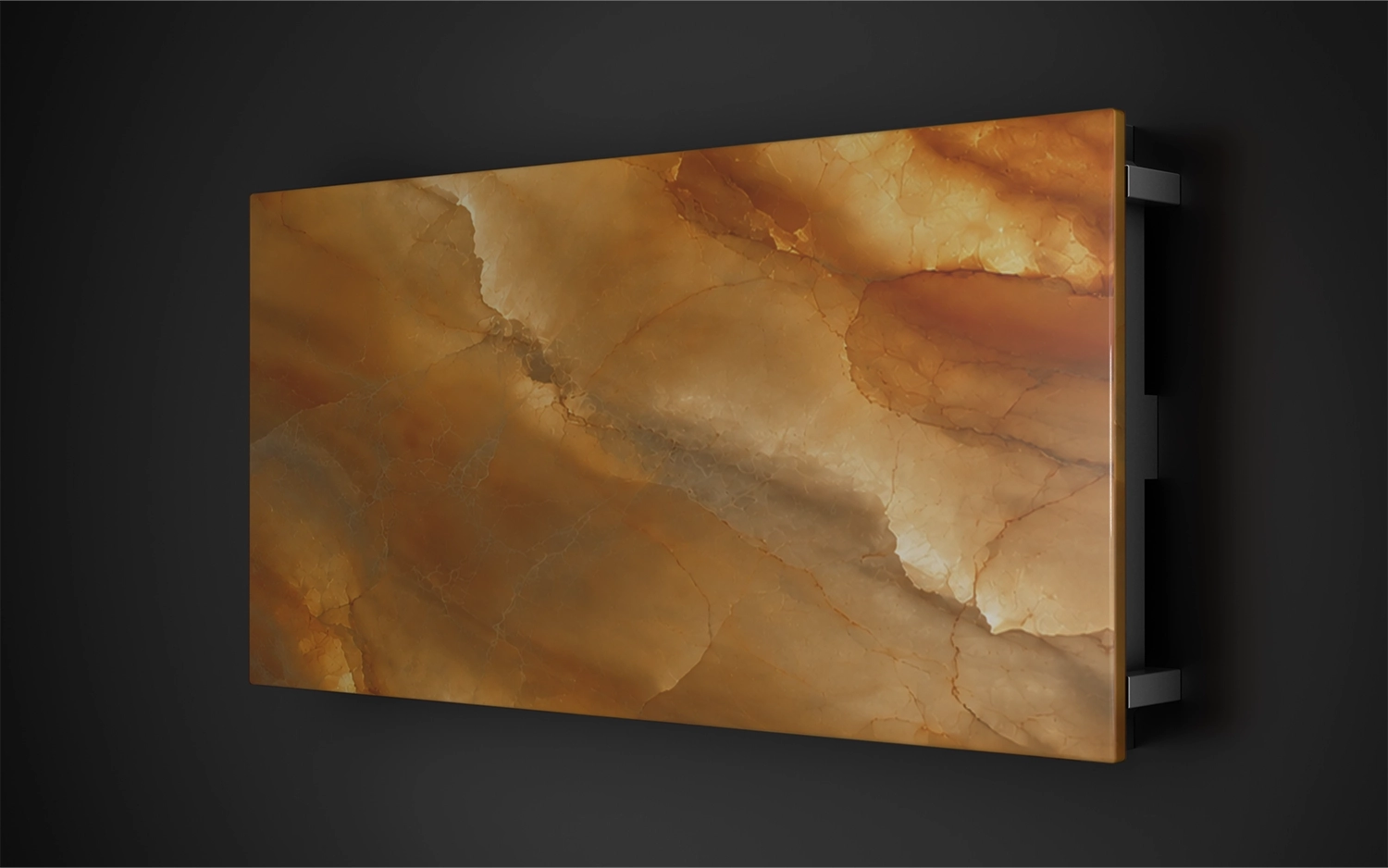
Flexi Panel
Flexible LED Light Sheets
Rigid Grazer
Rigid Optic Solutions for Wall Grazing
Joinery Range
Plug-and-Play Lighting Systems for Joinery Applications
Linear Optico
Flexible and Rigid Optic Solutions for Wall Washing
Drivers and Accessories
Power Supply Unit and Drivers
Product Archive
Previous Generation Products
Featured Products

Joinery Range New
The Joinery Range features linear lighting systems designed for seamless integration into architectural joinery and millwork. It features specialised families for shelving, closet rails, pull-handles, and skirting, each engineered with precision optics, minimalist profiles, and refined detailing to deliver both functional and ambient illumination. Supported by a comprehensive suite of drivers and integrated sensors.
View Range
Rigid Optico 40
The Rigid Optico range consists of high-power LED fixtures designed for dynamic exterior wall washing. With an IP67 rating and toughened glass lens, these high-efficiency fixtures are built to endure harsh weather conditions. The range offers a spectrum of beam angles and colour options including Dynamic White, RGB, and RGBW.
View Range - Services
- Projects
- Sustainability
- About
- Contact

.webp)


.webp)




.webp)


.webp)

.webp)
Zayed National Museum
Category
Infrastructure
Lighting Design
Claude R. Engle Lighting Consultants
Location
Abu Dhabi, UAE
The Project
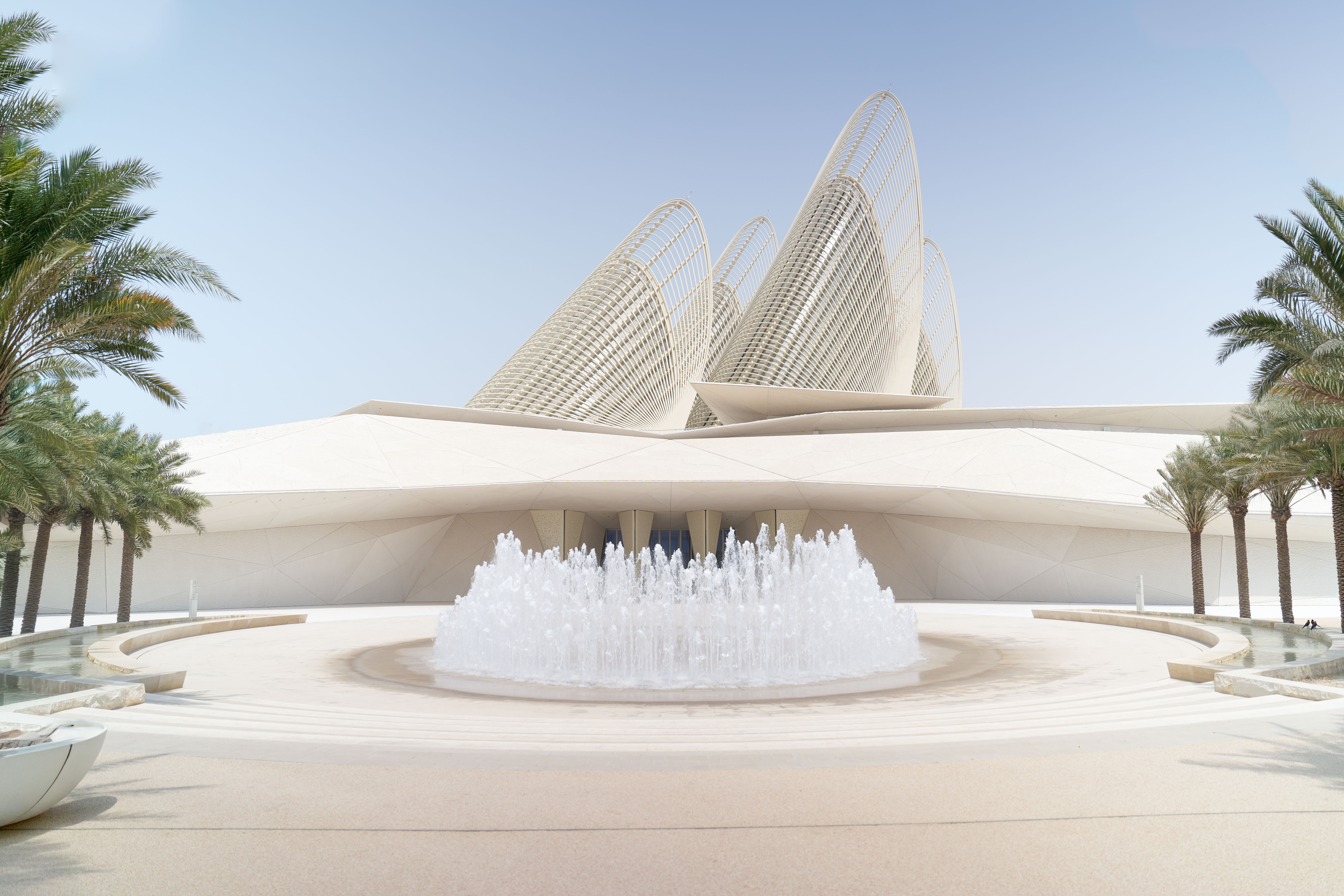
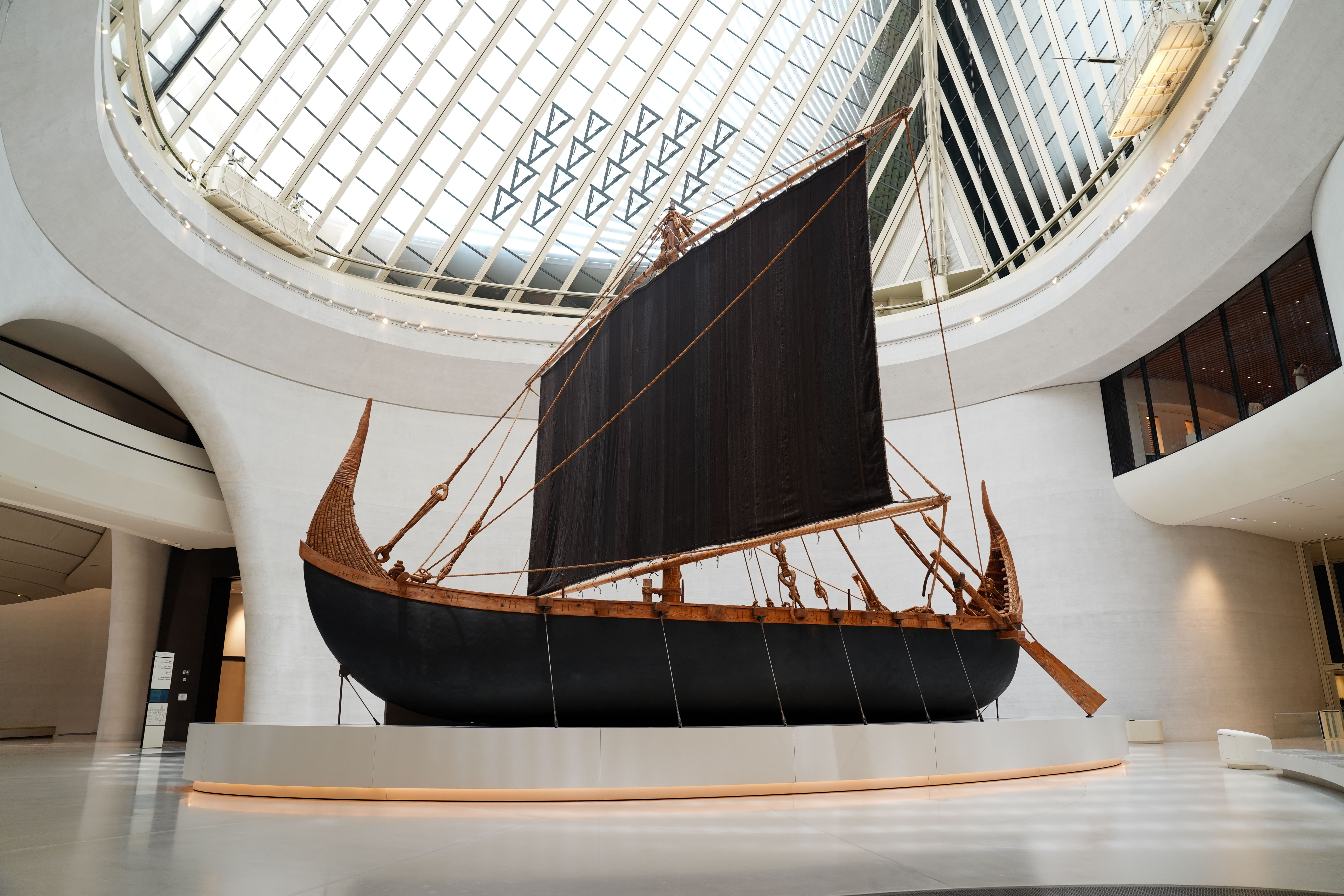
Rising from the cultural landscape of Saadiyat Island, Zayed National Museum is both a monument to the UAE’s past and an expression of its identity today. Designed by Foster + Partners, the building is distinguished by five steel structures inspired by the wings of a falcon, rising above a sequence of galleries arranged around the vast Al Liwan atrium.
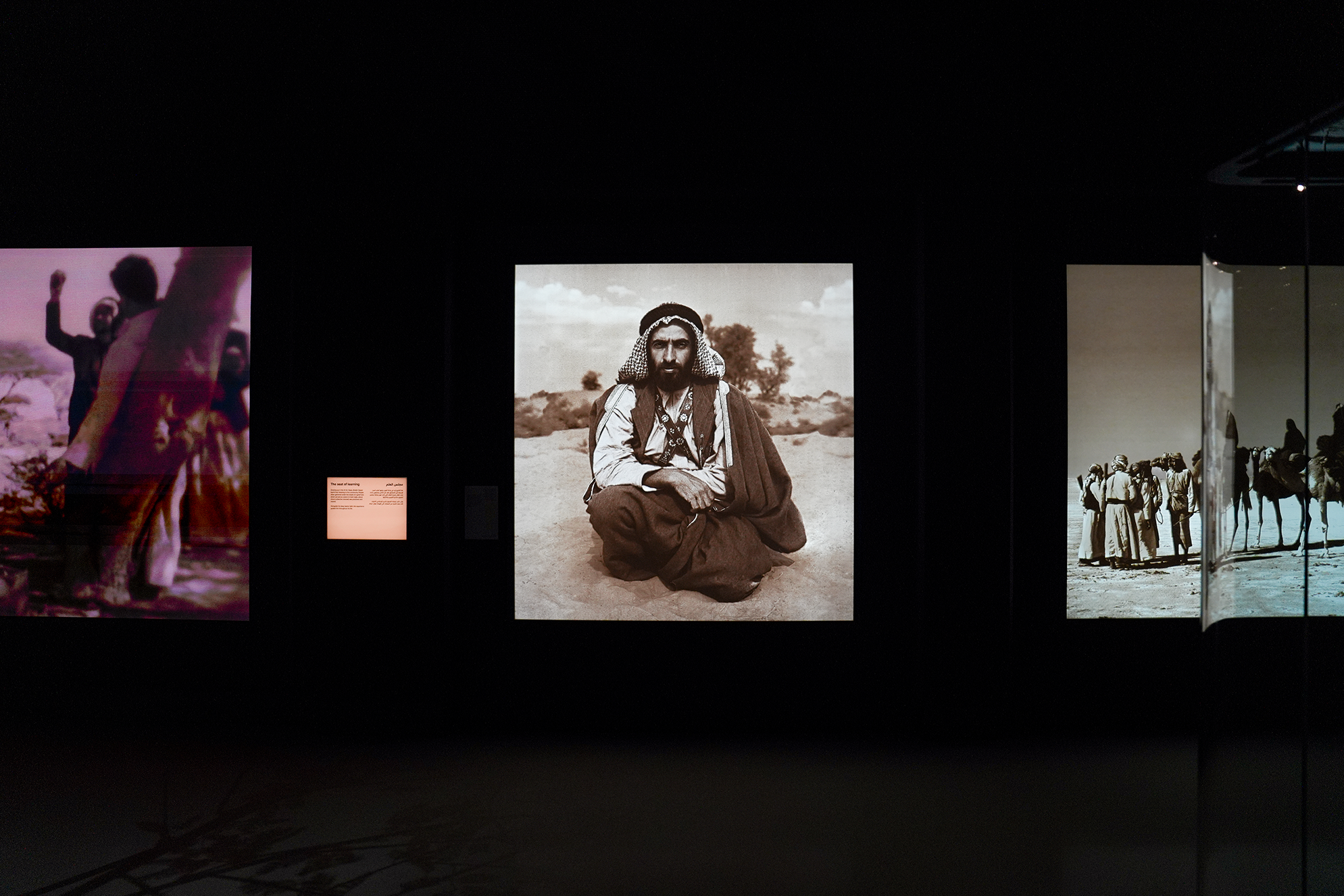
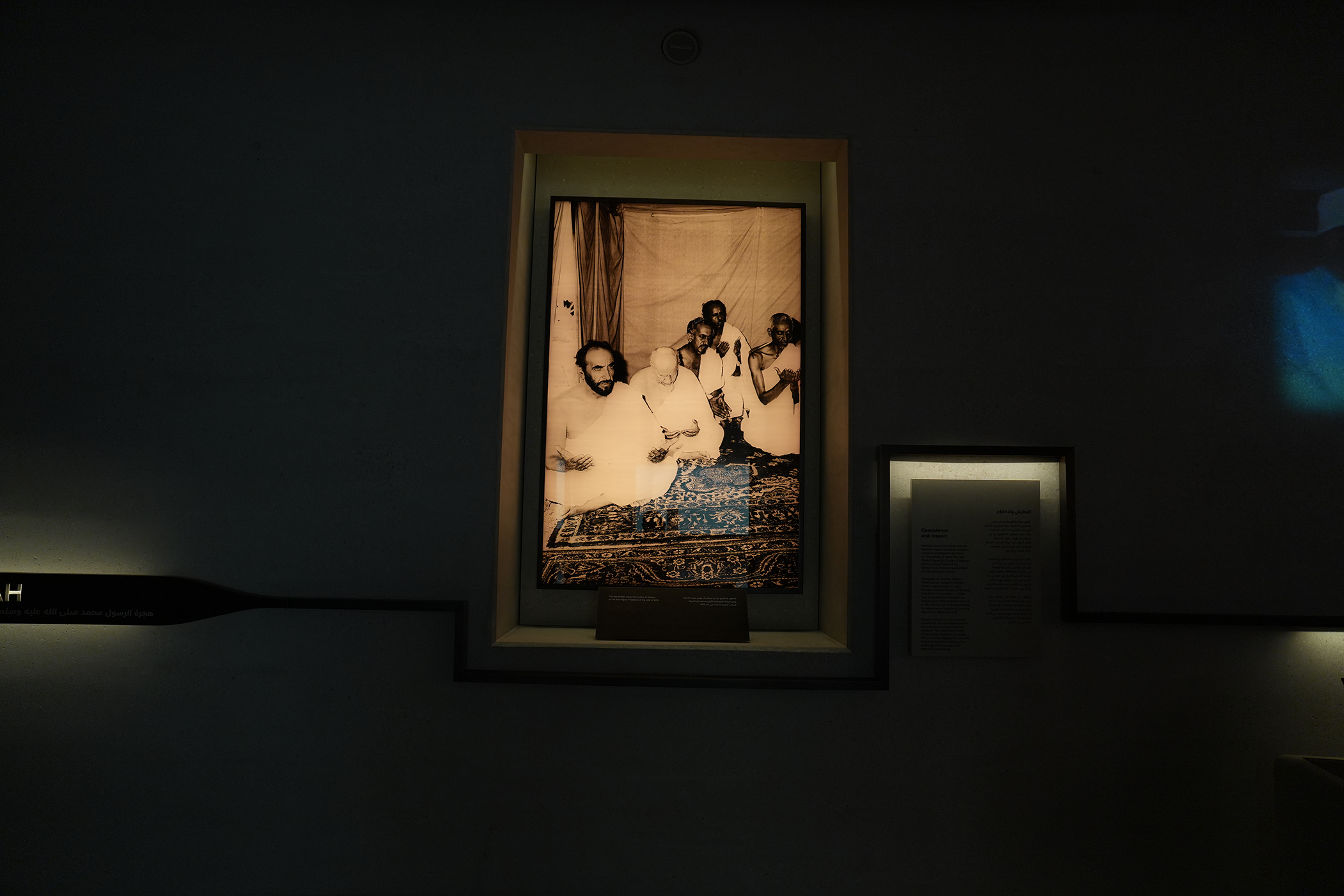
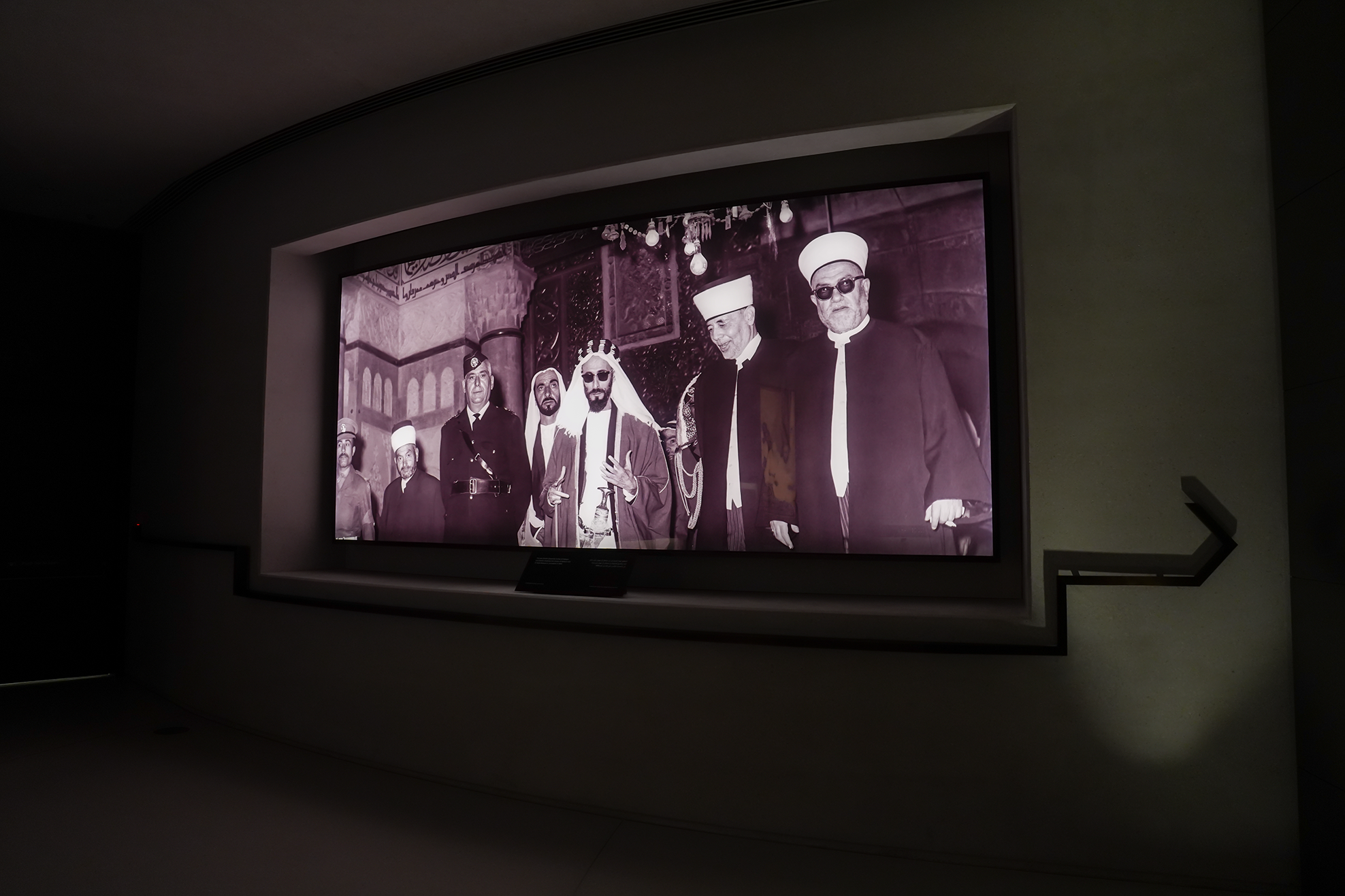
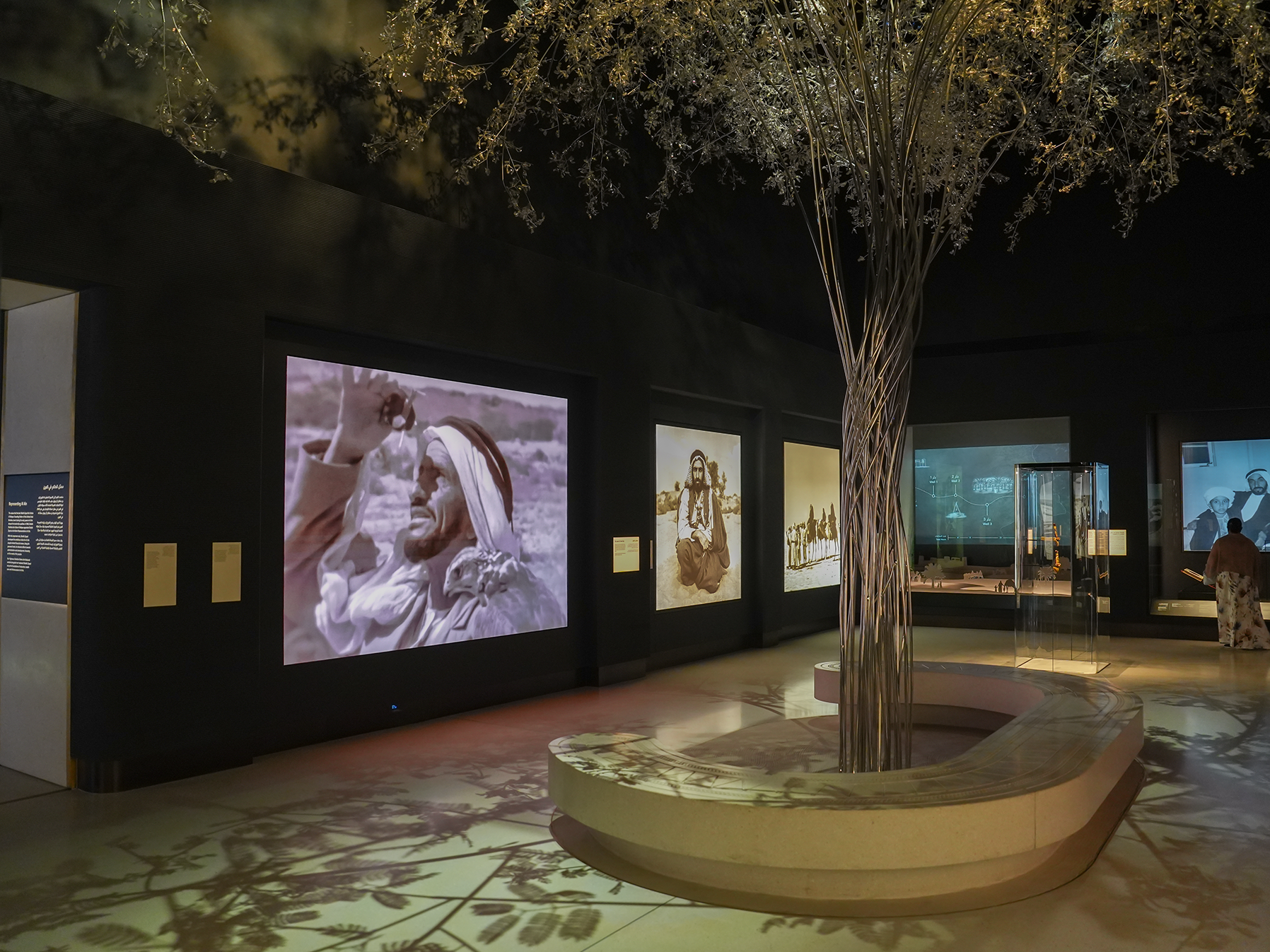
Inside, the scale becomes more intimate. Objects, photographs and personal histories begin to tell the story of the nation through the people who shaped it. Among them are portraits of Sheikh Zayed bin Sultan Al Nahyan, the UAE’s Founding Father, illuminated throughout the museum using LEDFlex lighting.
Here, the role of light is deliberately understated. LEDFlex Flexi Panel is used throughout the portrait displays, allowing the image, rather than the luminaire, to take centre stage. Concealed behind each portrait, the light creates a consistent luminous field across the graphic surface, giving the photographs depth and presence while preserving the clarity of the exhibition design.
The precision lies behind the image. Flexi Panel’s ultra-thin, flexible construction allows it to sit within shallow display cavities and adapt closely to different portrait formats, including bespoke shapes and dimensions. Its broad, even distribution helps eliminate hotspots and visible shadowing throughout.
For LEDFlex, whose work has formed part of the UAE’s architectural landscape for many years, contributing to a project so closely connected to the country’s heritage carries particular significance. Against the monumental scale of the museum, these illuminated portraits introduce something distinctly human. The architecture holds the history; the photographs bring its people into view. And behind them, the light performs its role almost invisibly, giving each image presence without ever becoming part of the picture.